Methionine provides methyl groups for biochemical reactions and supports liver function in processing fatty deposits
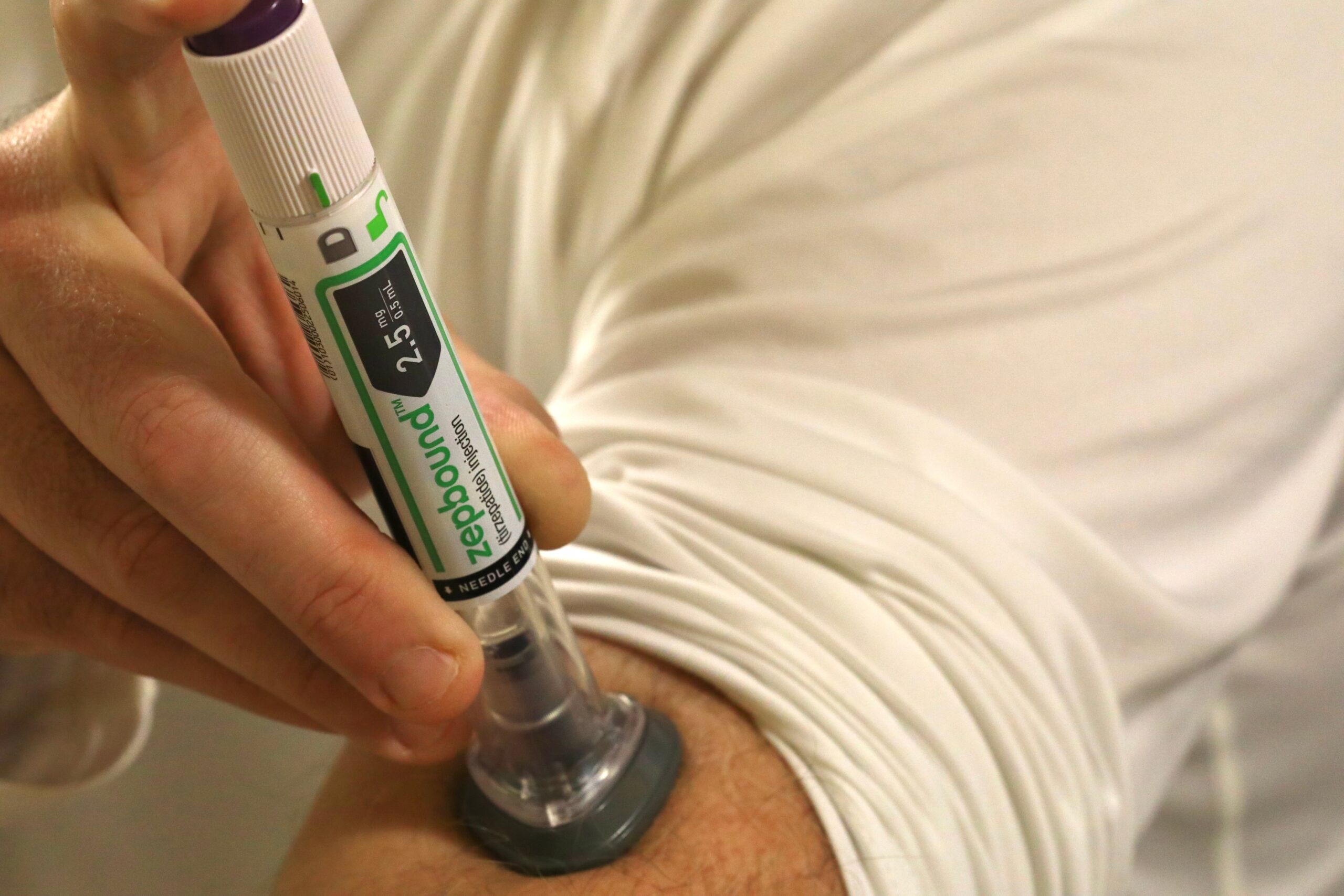
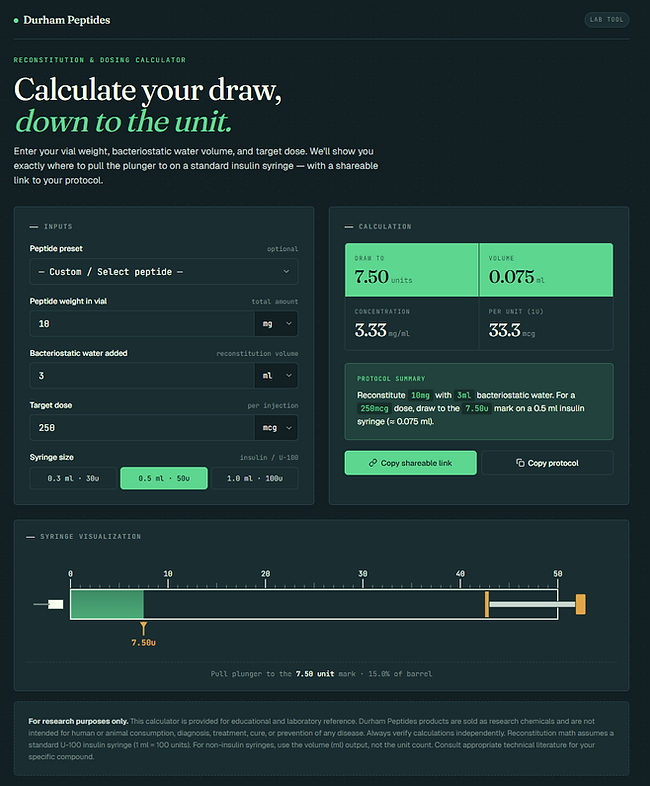
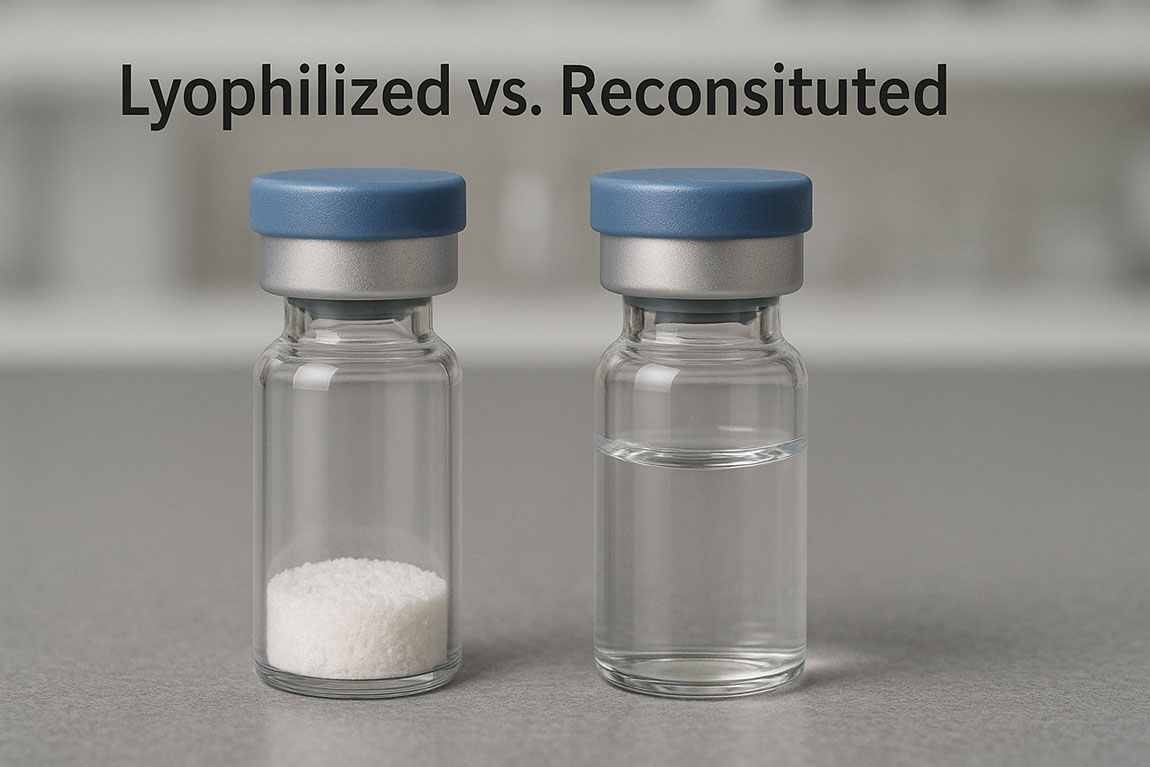
Before drawing your dose, inspect the solution visually
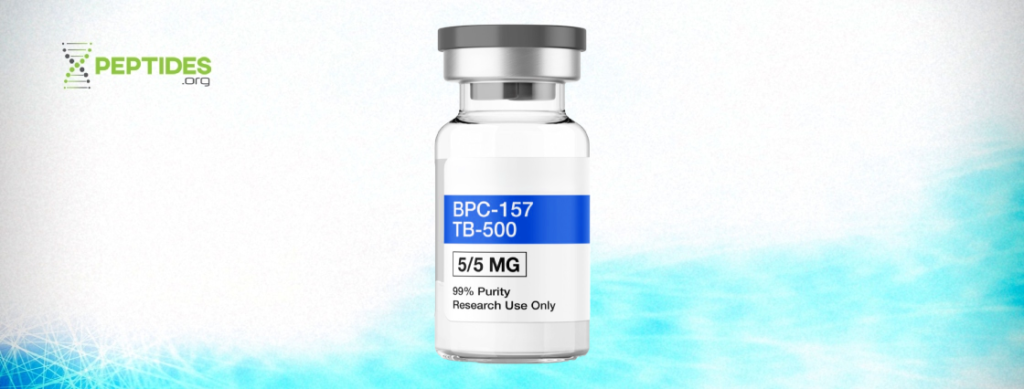
What GHK-Cu adds to the formulation: Gene expression modulation across hundreds of genes including collagen genes (Type I, III), tissue inhibitors of metalloproteinases, anti-inflammatory mediators Collagen synthesis stimulation, specifically Type I and Type III collagen the structural proteins of skin, connective tissue, and many other tissues Anti-inflammatory signaling through investigated effects on TNF-, IL-6, and NF-B pathways Copper-peptide chemistry effects including cofactor activity for skin-relevant enzymes Skin-research and hair-research applications (the GHK-Cu literature in these areas is substantial) For the GHK-Cu deep-dive, see Copper Peptides Explained
What does that mean in practice
NNMT is a cytoplasmic enzyme that catalyzes the transfer of a methyl group from S-adenosylmethionine (SAM) to nicotinamide, producing 1-methylnicotinamide (1-MNA) and S-adenosylhomocysteine (SAH)




:max_bytes(150000):strip_icc()/VWH-GettyImages-1692436619-6afbd0305e5e42359effc8b3deda6818.jpg)

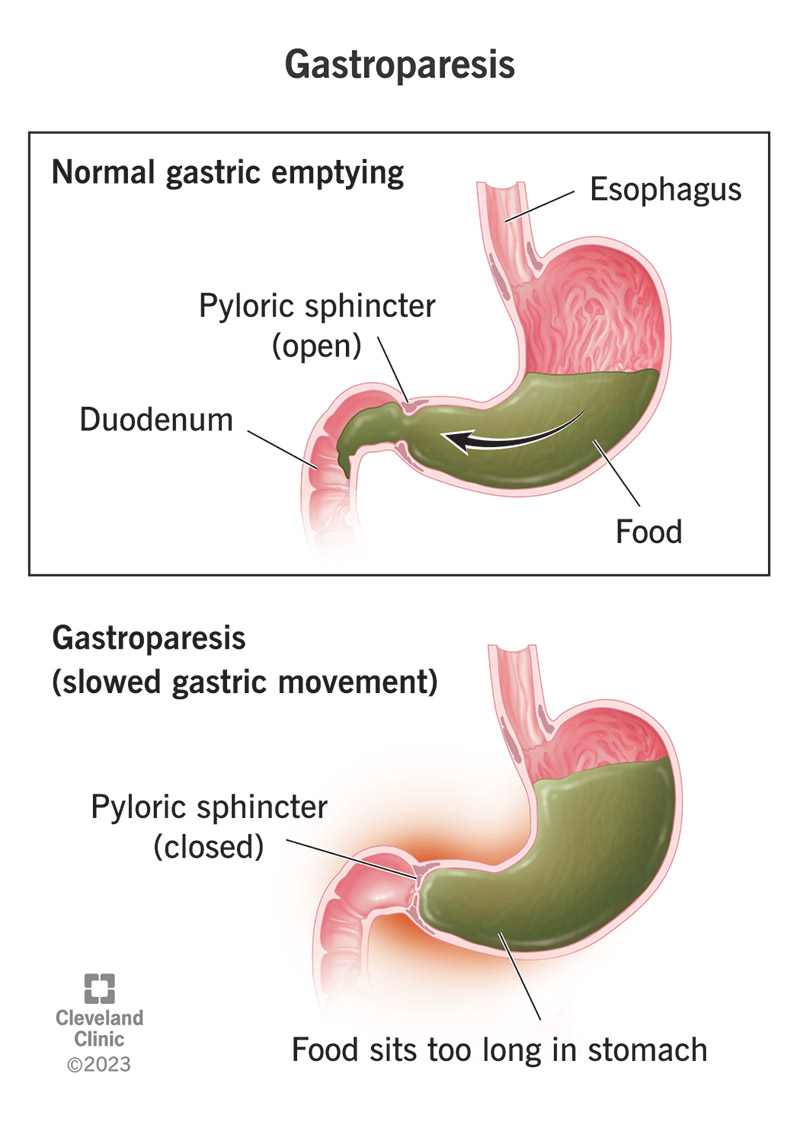
![Ozempic Stomach Paralysis Lawsuit [2026 Update]](https://www.robertkinglawfirm.com/wp-content/uploads/2024/03/how-to-avoid-stomach-paralysis-on-ozempic.webp)